


Introduction
In 2022 alone, the digital music industry generated over $23 billion in revenue, showcasing the immense potential for innovation. However, artists often struggle to receive fair compensation for their work. Let’s face it: traditional music distribution models can be cumbersome and unfair. Enter the NFT music platform, a groundbreaking solution leveraging blockchain technology to empower artists and redefine how we consume music.
What is an NFT Music Platform?
Essentially, NFT music platforms are online platforms that allow artists to tokenize their music as non-fungible tokens (NFTs). This means that each song, album, or even concert ticket can exist as a unique digital asset on a blockchain. Artists can then sell these tokens directly to fans, thereby eliminating intermediaries like record labels and streaming services.
Examples of popular NFT music platforms include Audius and Mint Songs, both of which are paving the way for artists to regain control over their music and earnings.

The Benefits of NFT Music Platforms
1. **Direct Revenue Stream**: Artists get to sell their work directly to fans, ensuring they receive a larger share of the profits.
2. **Ownership and Control**: Through NFTs, artists have complete ownership of their music, unlike traditional models where record labels often retain rights.
3. **Fan Engagement**: Artists can cultivate a closer relationship with their fans through unique offerings such as exclusive content or backstage passes that only NFT holders can access.
4. **Transparency**: Smart contracts can be employed to automate payments and ensure that revenue sharing is fair and transparent, making it impossible for any party to alter the terms.
How Does the Technology Work?
NFTs are built on blockchain technology, which allows them to be securely owned and traded. The two most popular blockchains for NFTs are Ethereum and Binance Smart Chain, but there are several others, including Flow and Tezos. Here’s how it typically works:
- Creation of the NFT: The artist uploads their music to the platform and mints it into an NFT. This process involves creating a unique digital signature that represents the asset on the blockchain.
- Smart Contracts: These are self-executing contracts with the terms of the agreement directly written into code. They can ensure royalties are paid automatically every time the NFT is sold or streamed.
- Marketplaces: Once minted, these NFTs can be sold on various NFT marketplaces, providing artists with multiple avenues to reach potential buyers.
Challenges Faced by NFT Music Platforms
While NFT music platforms have significant advantages, they are not without challenges:
- Market Volatility: The NFT market can be highly unstable, resulting in fluctuating prices that might not reflect the true value of an artist’s work.
- Environmental Concerns: The energy consumption of blockchain networks has been criticized for its negative environmental impact, which raises ethical questions for artists and consumers.
- Legal Issues: Copyright and intellectual property rights can become complex when art is tokenized, leading to potential legal disputes.
Current Trends in the NFT Music Space
The landscape of NFT music platforms is constantly evolving. As of late 2023, here are some notable trends:
- Collaborations: Artists are beginning to collaborate on joint NFT releases, allowing fans to purchase a piece of multiple artists in a single transaction.
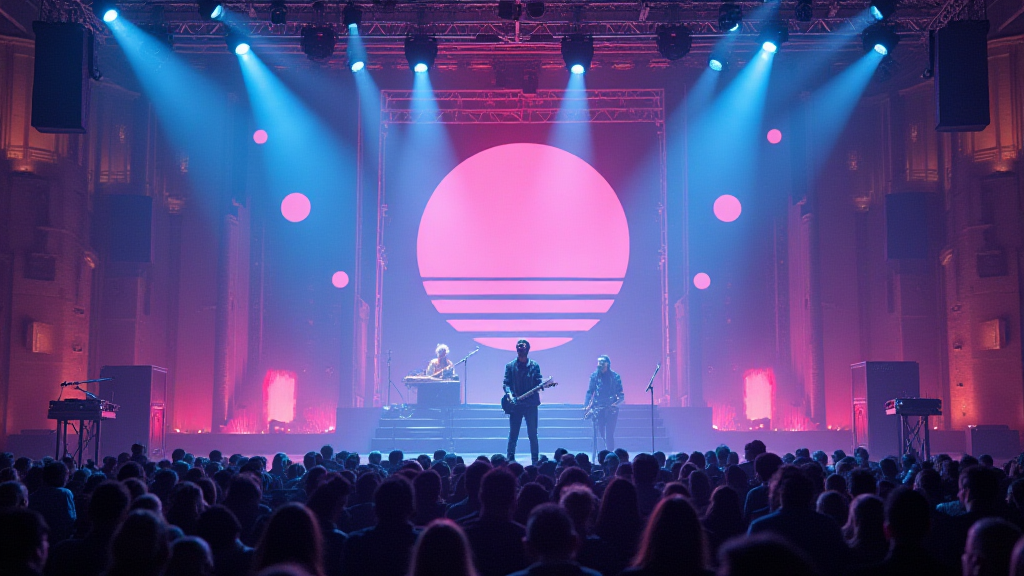
- Virtual Concerts: With the rise of the metaverse, artists are exploring virtual concert experiences where fans can attend shows as avatars, and acquire exclusive NFTs in the process.
- Royalties Reimagined: Innovative platforms are exploring new royalty models that include fractional ownership, where multiple fans can own a piece of a song or album.
The Future of NFT Music Platforms in Vietnam
As more Vietnamese artists begin to explore blockchain technology, the growth of NFT music platforms could revolutionize the local music scene. According to recent data, Vietnam saw a rapid increase in internet penetration, with over 75% of the population online. This has made it easier for artists to distribute their music digitally and build a fan base.
Vietnamese platforms like Nhac.vn are beginning to integrate NFT capabilities, allowing local musicians to tap into this global trend and maintain a sustainable livelihood. The potential for unique Vietnamese cultural content in the form of NFTs is enormous, and artists are excited about exploring this new frontier.
Conclusion
The emergence of NFT music platforms represents a seismic shift in the way we think about music ownership, distribution, and monetization. With artists taking control of their work and fans enjoying more direct engagement with their favorite musicians, the industry is on the brink of a revolution. As we look to the future, the question isn’t whether NFT music platforms will succeed but rather how they will shape the soundscape of tomorrow.
Whether you are an artist or a fan, now is the time to explore this exciting new world. Dive into the possibilities today and be part of this revolutionary change. Explore more about these platforms on hibt.com. Remember, this isn’t just about profit; it’s about creating a community where artists and fans thrive together.
Written by Dr. Anh Nguyen, a digital asset researcher with over 15 published papers in blockchain technology, specializing in smart contract analysis and NFT applications in the music industry.