



2025 Blockchain Scalability Solutions: Revolutionizing Digital Transactions
In 2024, the cryptocurrency space witnessed a staggering loss of $4.1 billion due to inefficiencies and hacks targeting decentralized finance (DeFi) platforms. As we move into 2025, the urgent need for enhanced blockchain scalability solutions becomes vital for protecting digital assets. This article explores various approaches being developed to address blockchain scalability, providing insights into how these solutions could transform the industry. If you are looking to navigate the complexities of blockchain technology, especially in markets like Vietnam, understanding scalability becomes essential.
The Importance of Blockchain Scalability
Scalability is the capability of a blockchain network to handle an increasing amount of transactions without compromising speed or security. As the number of users and transactions grows, many existing blockchain networks struggle to maintain performance. Here’s why scalability is crucial:
- Increased transaction speed ensures a quicker user experience.
- It allows for more transactions per second, accommodating growing user bases.
- Enhancing scalability lowers transaction fees, making it more attractive for users.
- It helps in sustaining security during peak loads, keeping the network resilient against attacks.
Layer 1 and Layer 2 Scalability Solutions
To tackle these challenges, developers have been working on two primary categories of scalability solutions: Layer 1 and Layer 2.
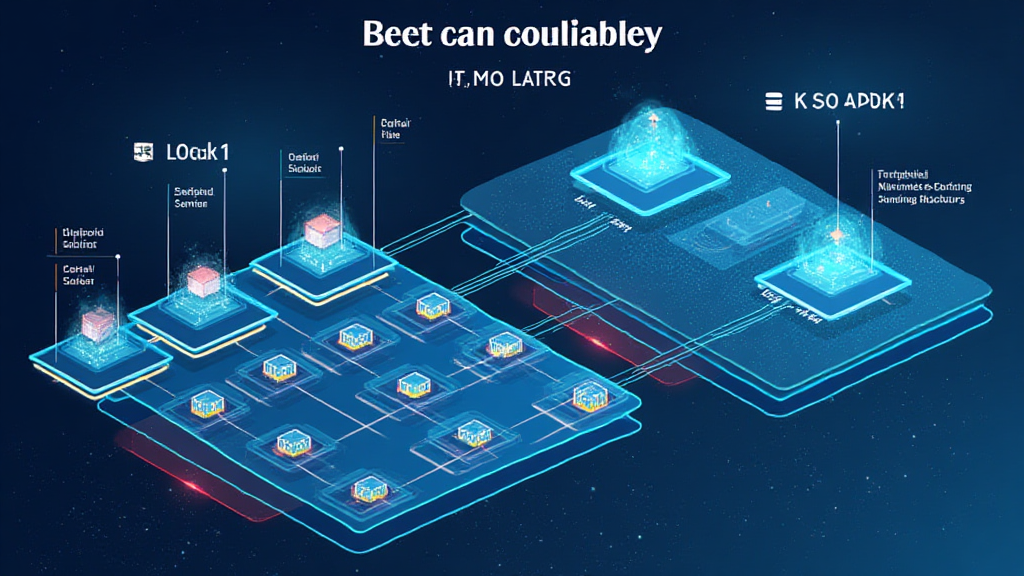
Layer 1 Solutions
Layer 1 solutions involve improvements made directly to the base layer of the blockchain protocol. Some notable Layer 1 solutions include:
- Sharding: This method splits the blockchain into smaller pieces (or shards) to process transactions concurrently. Ethereum 2.0 is championing this approach, allowing for a much greater transaction throughput.
- Increased Block Size: By increasing the size of each block, more transactions can be handled simultaneously. Bitcoin Cash emerged from this principle, seeking to process more transactions efficiently.
- Consensus Algorithm Upgrades: Switching from Proof of Work to more efficient consensus algorithms like Proof of Stake can greatly enhance scalability. For example, Ethereum’s transition aims to improve the network’s capacity to handle transactions.
Layer 2 Solutions
Layer 2 solutions operate on top of the existing blockchain, helping to enhance throughput. Here are a few promising Layer 2 technologies:
- State Channels: This technique allows transactions to happen off-chain before settling on-chain, which speeds up processing while reducing costs. The Lightning Network for Bitcoin is a prime example of this.
- Plasma: This framework creates smaller child blockchains to handle various transactions before confirming batches on the Ethereum mainnet.
- Rollups: This approach bundles multiple transactions into a single one during processing, optimizing network resources. Optimistic Rollups and zk-Rollups are two significant developments in this arena.
Case Study: Vietnam’s Growing Market
Vietnam’s cryptocurrency market witnessed a remarkable user growth rate of 127% in 2024. As interest increases, the demand for scalable blockchain solutions becomes pressing. Local projects are experimenting with Layer 1 and Layer 2 solutions to enhance user experience and transaction efficiency.
For instance, the adoption of Layer 2 solutions has been pivotal in facilitating peer-to-peer transactions in NFTs, with applications leveraging cheaper and faster transactions to attract a younger demographic.
Challenges and Future Prospects
While advances in scalability are promising, challenges remain:
- Network Security: Increased scalability efforts may pose risks if security measures are not adequately addressed.
- Interoperability: Ensuring that different blockchain systems communicate effectively will be key to the success of scalability solutions.
- User Education: With new technologies emerging, users must understand how to navigate and utilize these systems effectively.
Looking ahead, as developers continue to innovate, we can expect a more streamlined approach toward scalability, leading to faster, cheaper, and safer blockchain transactions—a necessity for the burgeoning cryptocurrency market.
Conclusion
As we’ve explored, blockchain scalability solutions are critical for meeting user expectations and maintaining security within the digital finance ecosystem. With the steady advancements in Layer 1 and Layer 2 technologies, these innovations will undoubtedly play a significant role in shaping the future of blockchain transactions. Stay ahead of the curve by understanding these emerging solutions and continually adapting to the ever-evolving blockchain landscape.
For further reading on cryptocurrency strategies tailored specifically to Vietnam, visit our comprehensive guides on crypto taxation and more. With the right information and tools, including hardware wallets like the Ledger Nano X that reportedly reduce hacking risks by 70%, you can secure your digital assets effectively.
arcoInnovation is dedicated to providing you with the latest insights and developments in blockchain technology, ensuring you stay informed and protected in this exciting field.
Dr. Nguyen Van An
An accomplished blockchain researcher, Dr. Nguyen has authored over 20 papers in the field and has led audits for notable projects like ChainX and Crypton. His expertise bridges the gap between technological innovations and practical applications in the blockchain domain.