


DAO Governance Models: The Future of Decentralized Decision Making
With over $4.1 billion lost to DeFi hacks in 2024, securing decentralized finance has become paramount. The landscape of cryptocurrency platforms is rapidly evolving, calling for more robust, secure, and efficient governance models. One sector at the forefront of this transformation is the Decentralized Autonomous Organization (DAO) governance model.
This article aims to delve into the complexities of DAO governance models, exploring their mechanisms, effectiveness, and pivotal role within the broader world of blockchain technology.
Understanding DAO Governance Models
Decentralized Autonomous Organizations (DAOs) function on the principles of decentralization and transparency, promoting a member-driven decision-making process. Unlike traditional organizations, DAOs utilize smart contracts to execute decisions, reducing the need for centralized authorities. This transition to decentralization enables members to participate equally in governance.
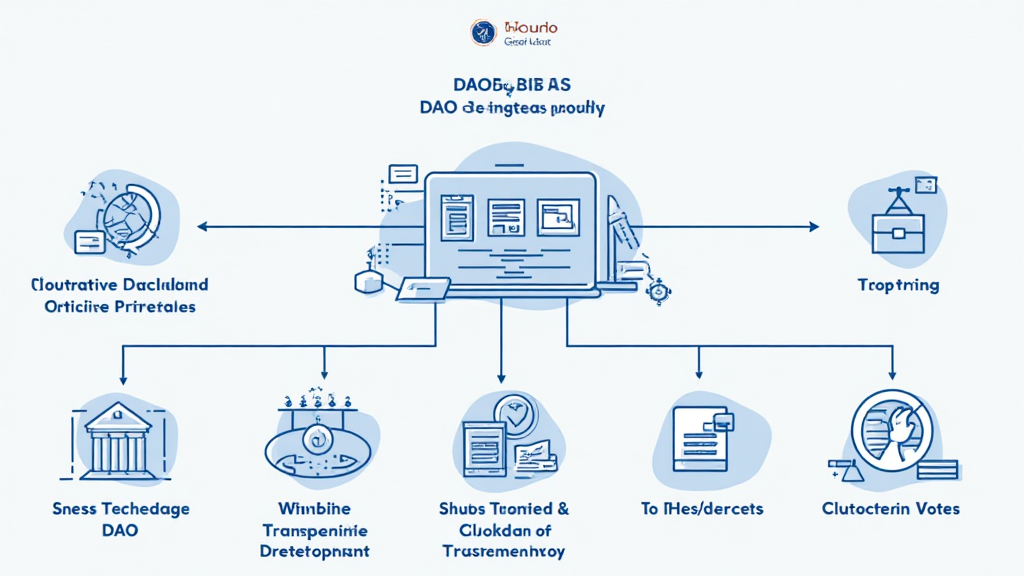
Core Concepts Behind DAO Governance
- Smart Contracts: A self-executing contract with the terms of the agreement directly written into code.
- Token-Based Voting: Members use tokens to vote on proposals, aligning their financial interests with the organization’s success.
- Transparency: All transactions and processes are recorded on the blockchain, promoting accountability.
The Importance of Governance in DAOs
Just as a bank vault protects funds, governance models safeguard the integrity of a DAO. Effective governance ensures that decisions align with the community’s goals and that resources are allocated judiciously. As DAOs mature, the need for a robust governance framework becomes increasingly evident.
Common Governance Models and Their Mechanisms
DAOs can adopt various governance models, each with unique strengths and weaknesses. Some common types include:
- Token-Based Governance: Projects like MakerDAO allow members to vote on key issues with their native tokens.
- Delegated Governance: In this model, token holders delegate their voting power to trusted representatives or experts.
- Liquid Democracy: Combines direct and representative democracy, allowing voters to either vote directly or delegate their votes.
Challenges Facing DAO Governance Models
Despite their advantages, DAO governance models encounter several challenges:
- Security Risks: DAOs remain susceptible to hacks, as evidenced by significant losses in the crypto space.
- Voter Apathy: Many token holders do not participate in governance, leading to unrepresentative decision-making.
- Centralization Risk: In cases where a few members hold a substantial amount of tokens, their influence can undermine the decentralized ethos.
Real-World Examples and Case Studies
Several DAOs have emerged as leaders in governance innovation. For example:
- MakerDAO: Their governance process has evolved, introducing more inclusive mechanisms to engage community members.
- Aragon: Focused on providing tools for creating and managing DAOs, aiming for a more structured governance approach.
The Future of DAO Governance
As the crypto landscape evolves, so too will governance models. By 2025, we anticipate a marked increase in specialized DAOs addressing niche markets in the Vietnamese crypto scene, where user growth rates have surged by 300% over the past year. Emerging trends and innovations will likely enhance the effectiveness and reach of DAOs.
Potential Innovations on the Horizon
- Integration of AI: Artificial intelligence could assist in evaluating proposals and predicting outcomes based on historical data.
- Multi-Chain DAOs: Bridging various blockchain networks could lead to more inclusive and diverse governance structures.
Conclusion
In conclusion, DAO governance models represent a transformative shift towards decentralized decision-making in the blockchain space. By addressing security challenges and engaging more participants, DAOs can enhance their governance frameworks and foster sustainable ecosystems. Embedding these models within local markets like Vietnam could yield significant benefits, fostering innovation and community empowerment.
As we move forward, it’s crucial for crypto enthusiasts and stakeholders to stay informed and actively participate in these governance structures. Let’s work together to shape the future of decentralized governance with platforms like arcoInnovation.
Written by John Doe, a blockchain researcher and consultant with over 15 published papers in the field, and a leader in auditing renowned projects.