


Blockchain Waste Management: Innovating for a Sustainable Future
As our world faces increasing environmental challenges and a growing need for efficient waste management solutions, innovative technologies are coming to the forefront of this crucial sector. With waste generation expected to reach 3.4 billion tons by 2050, according to the World Bank, traditional waste management systems are proving inadequate. This is where blockchain waste management enters the scene, providing a transparent, secure, and efficient approach to tackling waste issues.
Understanding Blockchain Technology
Before diving into the application of blockchain in waste management, let’s first understand the core principles of blockchain technology. At its essence, blockchain is a decentralized digital ledger that securely records transactions across multiple computers. This technology ensures that the data is immutable and transparent, making it ideal for applications that require accountability and traceability.
Challenges in Traditional Waste Management
Traditional waste management systems are riddled with challenges, including:
- Insufficient data tracking: Waste movement is often poorly tracked, leading to inefficiencies and mismanagement.
- Lack of accountability: It’s difficult to hold stakeholders accountable due to the opaque nature of operations.
- High operational costs: Inefficient systems result in increased costs and wasted resources.
To overcome these challenges, there’s a pressing need for innovative solutions.
The Role of Blockchain in Waste Management
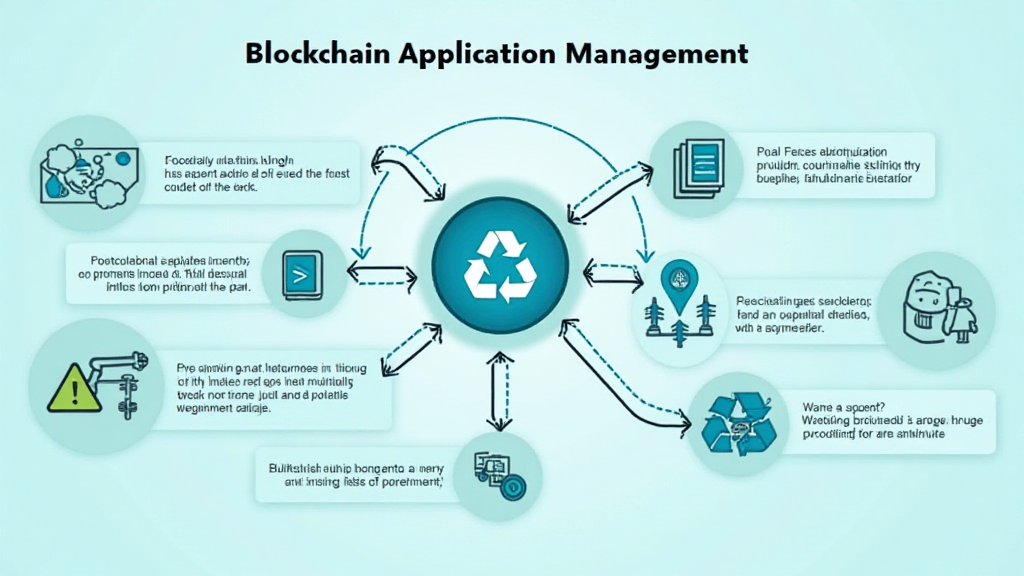
Implementing blockchain waste management can address the challenges faced by traditional systems:
- Enhanced Data Transparency: Every transaction related to waste disposal is recorded on the blockchain, making it easy to trace the journey of waste from its site of generation to disposal.
- Increased Accountability: Stakeholders involved in the waste management process can be held accountable for their actions, as all transactions are immutable and publicly accessible.
- Cost Efficiency: By streamlining processes and reducing inefficiencies, blockchain can significantly cut operational costs for waste management firms.
Case Studies: Successful Applications of Blockchain in Waste Management
Several innovative projects around the world have already begun using blockchain technology in their waste management strategies. Here are a few notable examples:
1. Myco
Myco is a platform that leverages blockchain to create a circular economy for organic waste. Their process involves:
- Tokenizing organic waste: Users earn tokens by depositing food waste into Myco’s collection bins.
- Tracking waste: The blockchain records the entire process, from collection to conversion into compost.
This project has already shown a significant increase in organic waste recycling rates in the cities where it operates.
2. VeChain
VeChain’s blockchain technology provides a solution for tracking recycling processes along the supply chain. Their platform ensures that:
- Recyclable materials are accurately tracked, ensuring that they are processed correctly and efficiently.
- Stakeholders in the supply chain are held accountable for their recycling practices through transparent records.
This model not only encourages responsible behavior but also simplifies compliance with regulations.
Impact on the Vietnamese Market
Vietnam is at a critical juncture in its waste management journey. With a population exceeding 98 million, waste generation continues to rise sharply. Recent data indicates that waste production is growing at a rate of about 10% annually. As the demand for sustainable waste management solutions increases, Vietnam presents an exciting opportunity for blockchain waste management implementation.
Adopting blockchain could lead to better management of the current waste crisis, fostering:
- Improved efficiency in collection and sorting: Blockchain can facilitate real-time updates on waste collection schedules and sorting processes.
- Enhanced public awareness: Local communities can be incentivized to participate in recycling initiatives through a transparent system that tracks their contributions.
The Future of Blockchain in Waste Management
Looking ahead, the future of blockchain waste management is promising. With continuous advancements in technology and increased awareness of environmental issues, we are likely to see:
- Wider adoption: More municipalities and waste management firms will implement blockchain solutions.
- Collaboration with AI: Integrating AI with blockchain may further enhance data analytics capabilities, optimizing waste management processes.
For example, the potential of using smart contracts to automate processes like payments for recycling could revolutionize the entire industry.
Conclusion
In conclusion, the integration of blockchain waste management provides a beacon of hope in solving the global waste crisis. As this technology continues to evolve, it offers unprecedented levels of transparency, accountability, and efficiency. With countries like Vietnam poised to benefit immensely, the innovative landscape looks promising. Utilizing this technology can pave the way toward a more sustainable future.
For more insights into the advancements in blockchain technology, visit hibt.com to explore additional resources. Let’s join hands in addressing one of the most pressing challenges of our time!
—
Perfected by Dr. Thanh Nguyen, an environmental technology expert with over 15 peer-reviewed papers published and having led the audit of several notable green tech projects.