



Crypto Derivatives Pricing: A Comprehensive Guide for Investors
In the fast-evolving world of cryptocurrency, crypto derivatives have emerged as a vital component of the trading ecosystem. With approximately 4.1 billion USD lost to hacks in decentralized finance (DeFi) in 2024, the need for effective risk management and deeper market understanding is more urgent than ever.
This article aims to demystify the pricing of crypto derivatives, providing valuable insights into the market dynamics affecting value and liquidity. We will address essential concepts, industry practices, and tools necessary for conducting effective price analysis of these financial instruments.
Understanding Crypto Derivatives
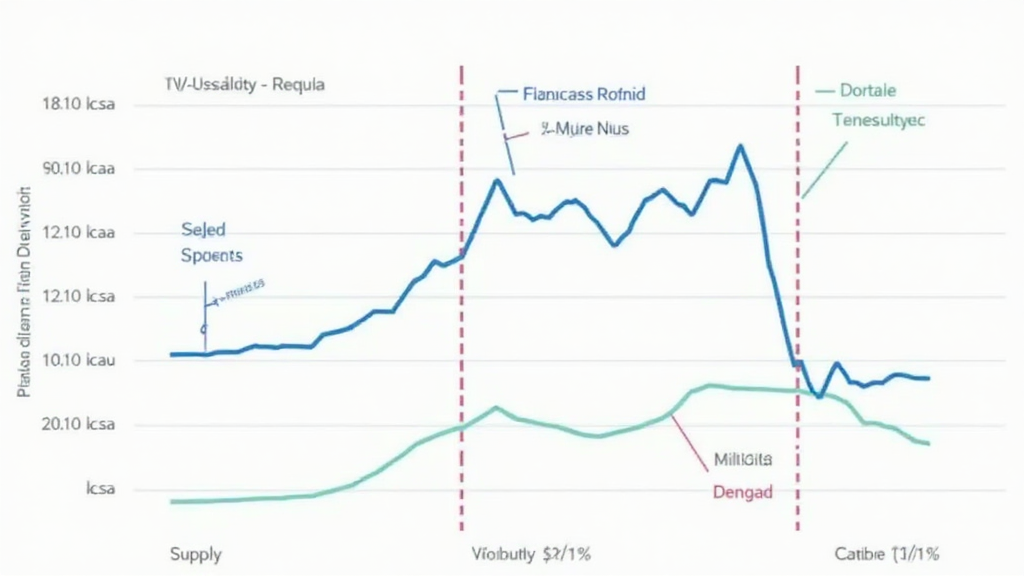
Crypto derivatives are financial contracts whose value is derived from the performance of an underlying cryptocurrency asset. They allow traders to speculate on price movements without actually owning the digital assets. The main types of derivatives include:
- Futures: Contracts to buy or sell an asset at a predetermined price at a specified time in the future.
- Options: Contracts that give the buyer the right, but not the obligation, to buy or sell an underlying asset at a set price by a certain date.
- Swaps: Contracts that allow two parties to exchange cash flows or liabilities from different financial instruments.
The Factors Influencing Crypto Derivatives Pricing
Several factors impact the pricing of crypto derivatives:
- Market Volatility: Cryptocurrency markets are notoriously volatile. High volatility often translates into higher derivative prices due to increased risk.
- Supply and Demand: As with any financial asset, the principles of supply and demand play a crucial role in determining prices.
- Underlying Assets’ Value: The price movement of the underlying cryptocurrencies directly affects the derivative pricing.
- Time to Expiry: The closer a derivative is to its expiry date, the less time for price movements to occur, impacting its value.
Pricing Models for Crypto Derivatives
Investors and traders use various pricing models to determine the fair value of crypto derivatives, including:
- Black-Scholes Model: Commonly used for options, this model calculates theoretical prices based on parameters such as volatility, time to expiry, and risk-free interest rates.
- Binomial Model: A versatile model useful for pricing options with various complexities, including American options that can be exercised at any time before expiry.
- Monte Carlo Simulation: This computational algorithm uses random sampling and statistical modeling to assess the impact of risk and uncertainty in pricing derivatives.
The Role of Liquidity in Crypto Derivatives
Liquidity is a critical factor in the crypto derivatives market. It affects the ease with which a trader can execute orders, potentially impacting prices due to slippage. High liquidity generally leads to tighter bid-ask spreads, which is advantageous for trading activity.
Liquidity Management Strategies
To maximize trading efficiency, consider implementing the following strategies:
- Utilize limit orders instead of market orders to control pricing.
- Monitor trading volumes on exchanges to gauge market depth.
- Leverage liquidity pools to provide and capture liquidity effectively.
Crypto Derivatives in the Southeast Asian Market
As Southeast Asia emerges as a significant player in the global cryptocurrency market, with a reported 35% growth rate among crypto users in Vietnam, understanding the dynamics of crypto derivatives pricing in this region becomes essential.
Investors can capitalize on regional trends, such as increasing adoption rates and regulatory developments surrounding crypto derivatives. It’s crucial to integrate local market indicators and preferences into your pricing strategy.
The Future of Crypto Derivatives Pricing
As we look to the future, the evolution of technology, including advancements in blockchain interoperability and smart contract capabilities, will continue to influence crypto derivatives pricing.
- AI and machine learning algorithms will increasingly be used for real-time pricing adjustments.
- Regulatory clarity will enhance market confidence, which may stabilize prices.
- A growing number of institutional investors entering the crypto space may lead to more sophisticated pricing models and strategies.
Conclusion
Understanding crypto derivatives pricing is crucial for investors aiming to navigate this complex and rapidly changing market. As a foundational element of risk management, proper pricing strategies can help mitigate risks associated with the inherent volatility of cryptocurrencies. With the expected expansion of the crypto market in Southeast Asia, equipping yourself with knowledge and tools for effective pricing will give you a competitive edge.
For further information on pricing models and risk management strategies, feel free to explore additional resources on hibt.com. Remember, this content is not financial advice. Always consult with local regulators for compliance insights.
Stay ahead in the crypto derivatives market with arcoInnovation. Connect with us on our website for more insights!