



Introduction: The New Age of Digital Ownership
With rising excitement in the crypto world, the concept of Fractional NFTs has emerged, offering a fresh perspective on digital assets. In 2024 alone, losses from decentralized finance (DeFi) hacks reached an alarming $4.1 billion. Cropping up against this backdrop, Fractional NFTs offer both a tantalizing opportunity and a reflective lesson in security measures within the blockchain realm.
Understanding the blend of traditional asset ownership with digital innovation is essential. By segmenting ownership of unique assets into fractional components, Fractional NFTs allow a broader audience to invest in high-value items such as art, real estate, or collectibles. This democratization of digital ownership not only lowers the entry barriers for novice investors but also enriches the market dynamics significantly.
This article aims to dive deep into the ins and outs of Fractional NFTs, their advantages, risks, and the cultural shift they induce in asset management.
Understanding Fractional NFTs
Fractional NFTs are digital tokens that represent fractional ownership of a single Non-Fungible Token (NFT). Imagine a luxury painting valued at $1 million. Previously, only affluent collectors could invest in such assets. With Fractional NFTs, a token can be broken down into 10,000 pieces, enabling multiple owners to hold a share of a valuable item.
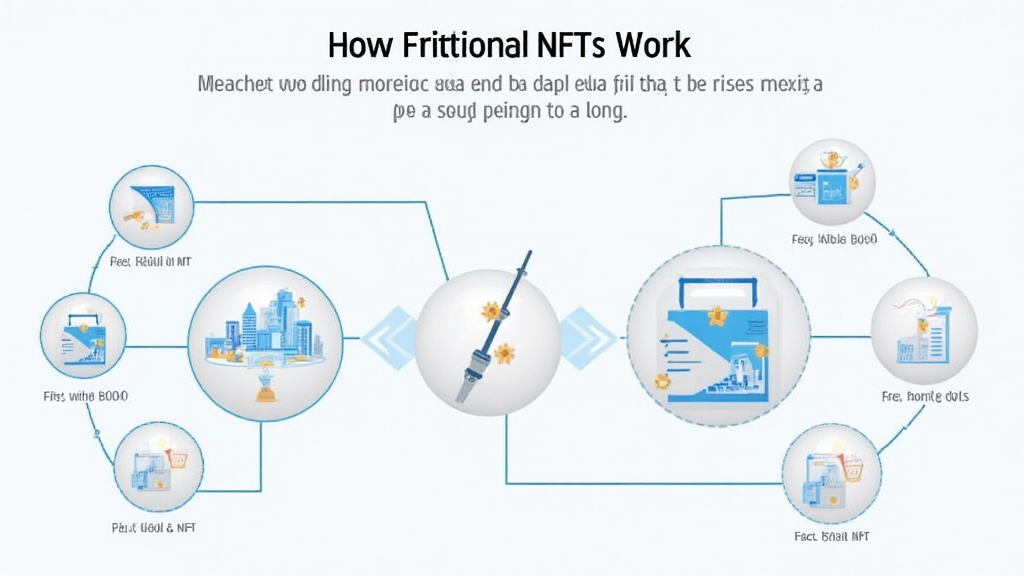
Here’s a quick breakdown of how they operate:
- Creation of NFT: An NFT is created to represent the underlying asset, be it digital art or real estate.
- Fractionalization: The NFT is divided into smaller, fungible tokens that can be traded, bought, or sold.
- Marketplace: These fractionalized tokens are then listed on a marketplace where users can purchase shares.
- Ownership Rights: Owners of fractional NFTs exercise shared ownership rights on the original asset.
This innovative approach parallels a real estate investment trust (REIT), which pools funds from investors to acquire and manage properties. Similarly, Fractional NFTs provide shared access to high-value digital and physical assets, making them a fascinating avenue in the evolving landscape of digital finance.
The Advantages of Fractional NFTs
The rise of Fractional NFTs comes with diverse benefits that promise to reshape how we perceive ownership in the digital economy.
1. Democratizing Access
Fractional NFTs create an exceptional opportunity for individuals who may not have had the financial means to invest in high-value assets. This democratization means that an artist’s digital artwork can be partially owned by multiple investors, allowing fans to engage more deeply with the art world. Notably, in countries like Vietnam, where the crypto user growth rate has doubled over recent years, this presents an exciting shift in investment culture.
2. Enhanced Liquidity
Investing in art or collectibles has traditionally been illiquid, with buyers needing to hold onto assets for extended periods. Fractional NFTs bring liquidity into the equation. Investors can trade their fractions relatively easily on various marketplaces, thus increasing the accessibility of investments. According to a recent report by ArtTactic, the market for fractionalized ownership could reach as much as $3.5 billion by the end of 2025, reinforcing the trend toward liquidity in art investment.
3. Fractionalization of Illiquid Assets
Traditionally illiquid assets like real estate or fine art can be revolutionized through fractionalization. By allowing multiple investors to own portions of these assets, not only are individuals relieved from the burdens of ownership, but it allows for diversification in their portfolio. This is especially relevant in the emerging Southeast Asian markets, inviting an influx of novice investors.
4. Reducing Entry Barriers
With Fractional NFTs, individuals can start investing with smaller amounts of capital. The ability to purchase just a fraction of a significant asset makes investing in valuable digital art, real estate, or unique collectibles feasible for a broader demographic.
Challenges and Risks of Fractional NFTs
While Fractional NFTs present multiple opportunities, investors should also be wary of several challenges and risks associated with them.
1. Legal and Regulatory Concerns
The regulatory landscape surrounding NFTs is still developing. Investors need to stay informed about local laws that govern fractionalized assets. This is particularly crucial in Vietnam, where regulations continue to evolve. The uncertainty surrounding compliance can often deter investors from participating in these forms of asset ownership.
2. Market Volatility
The NFT market is known for its price fluctuations. Fractional NFTs inherit this volatility, and their value can dramatically increase or decrease within a short timeframe. Investors need to approach their investments with a sound strategy, carefully considering their risk tolerance before diving into the market.
3. Management of Shared Ownership
Owning a fractional share of an asset often entails management complications. Decision-making regarding the asset may require consensus among owners, which could lead to conflicts and disputes if not handled correctly. These hurdles must be navigated to ensure smooth asset management.
4. Potential Scams and Fraud
As with any rapidly growing market, the risk of scams and fraudulent projects also looms large. It is essential for investors to conduct thorough research and audits before participating in fractional NFT investments. Tools such as hibt.com can help facilitate due diligence in ensuring the assets you wish to invest in are credible.
How to Navigate the Fractional NFT Space
Investors interested in delving into the Fractional NFT world should proceed cautiously. Below are some practical tips and strategies to consider:
1. Research and Due Diligence
Before investing in any Fractional NFT, conduct thorough research on the original asset, its market potential, and the credibility of the platform facilitating the fractionalization. Look for verified NFT marketplaces that have a reputation for securing user assets.
2. Understand the Rights Associated
Familiarize yourself with the rights associated with the fractional ownership of NFTs. Make sure you are aware of how decisions are made regarding the asset, whether it involves selling or maintaining it long-term.
3. Join Communities
Being part of relevant cryptocurrency groups and forums can provide invaluable insights into current trends, potential investment strategies, and community-driven projects. This engagement can also enhance your understanding of the broader context surrounding Fractional NFTs and marketplace developments in Vietnam and beyond.
4. Stay Informed about Regulations
As discussed, staying updated on the legal landscape is crucial. With shifting regulations, it’s advisable to consult with local legal professionals to ensure compliance.
Conclusion: Future Prospects of Fractional NFTs
As we look ahead, Fractional NFTs are poised to bring about a transformative shift in both digital and physical asset ownership. They offer exciting investment avenues for those previously priced out of the market, fostering a sense of shared ownership and community in asset utilization. However, potential investors must remain vigilant of the associated risks while nurturing their knowledge through research and community engagement.
Incorporating insights backed by trusted sources and tool recommendations like hibt.com can empower investors to make informed decisions—ultimately paving the way for a secure and thriving NFT landscape.\
Whether you are an investor based in Vietnam or someone keen on exploring innovative asset classes globally, the future of Fractional NFTs promises to be bright and full of possibilities. Explore and embrace this evolution in asset ownership as we move forward into a new era of digital investments.
Written by: Dr. Alex Tran, Blockchain Technology Expert
Dr. Alex Tran has published over 50 papers in the fields of blockchain security and smart contract auditing. He has also led the audit of several well-known projects in the cryptocurrency landscape.