



Understanding Layer 0 Blockchains: The Future of Decentralized Networks
With $4.1 billion lost to DeFi hacks in 2024, the need for robust security measures in the blockchain landscape has never been more pressing. Welcome to the realm of Layer 0 blockchains, where innovation meets security, and the future of decentralized networks is being shaped.
What are Layer 0 Blockchains?
Layer 0 refers to the foundational layers of blockchain infrastructure that allow multiple Layer 1 blockchains to coexist and communicate efficiently. Unlike traditional Layer 1 blockchains like Bitcoin or Ethereum, which operate independently, Layer 0 solutions enable interoperability among diverse networks.
Imagine a bustling city; each building represents a blockchain. Layer 0 is the infrastructure that connects these buildings, allowing them to function collaboratively. This interconnectedness enhances scalability and flexibility across blockchain ecosystems.
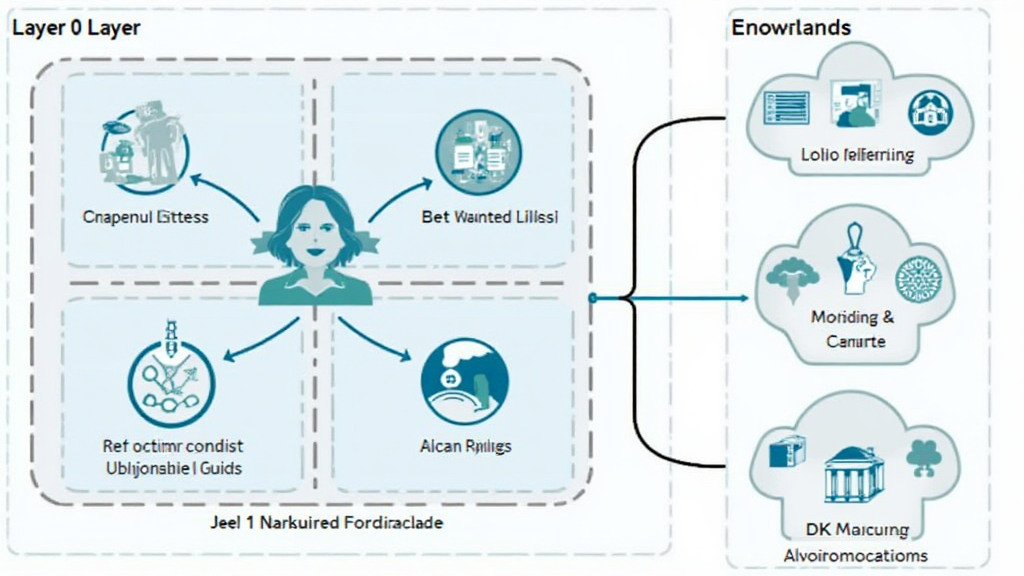
The Importance of Interoperability
One of the prime advantages of Layer 0 technologies is interoperability. As various blockchains emerge, the ability to transfer assets and information seamlessly between them is crucial. For instance, let’s look at the Polkadot ecosystem, a notable Layer 0 solution that enables different blockchains to transfer data with minimal friction.
- Example: Polkadot’s Relay Chain is designed to provide security to all connected chains without compromising their individual functionalities.
- Use case: Developers can create new decentralized applications (dApps) that leverage features from different blockchains, enhancing user experience and service offerings.
Layer 0 vs Layer 1 and Layer 2
To clarify Layer 0’s role, it’s essential to differentiate it from Layer 1 and Layer 2 solutions:
- Layer 1: These are the primary blockchains like Ethereum and Bitcoin that have their own consensus mechanisms.
- Layer 2: These solutions, such as Lightning Network or Optimistic Rollups, operate on top of Layer 1 to improve transaction speeds and reduce fees.
Layer 0 serves as a foundational layer that enhances the capabilities of Layer 1 blockchains by facilitating interoperability and connectivity.
Consensus Mechanisms in Layer 0
Layer 0 blockchains utilize various consensus mechanisms to ensure security and reliability. Let’s break down some common types:
- Proof of Stake (PoS): This mechanism allows validators to secure the network by locking up their tokens.
- Delegated Proof of Stake (DPoS): Token holders vote for delegate validators to maintain the network.
- Byzantine Fault Tolerance (BFT): This consensus model enables transaction validation even if some nodes fail or act maliciously.
For instance, in the Cosmos network, its consensus algorithm (Tendermint) allows different blockchains to communicate while maintaining their own independent validation processes.
Real-World Applications of Layer 0
Layer 0 blockchains have numerous real-world applications that enhance operational efficiency:
- Cross-chain DeFi solutions: Permitting users to leverage liquidity across different blockchains fuels the DeFi ecosystem.
- Unified governance: Layer 0 solutions allow for decentralized decision-making across multiple ecosystems.
In Vietnam, the demand for innovative blockchain solutions has been on the rise. Data suggests a 30% increase in user engagement with blockchain platforms amongst Vietnamese consumers in the past year. This growing interest drives the integration of Layer 0 technologies for decentralized finance and trade applications.
Security Considerations for Layer 0 Implementation
When implementing Layer 0 blockchains, security remains paramount. Here are a few considerations:
- Smart Contract Audits: Regular audits can prevent vulnerabilities in code that could be exploited.
- Layer 0 security standards: Establishing robust security protocols is essential to prevent breaches. Understanding tiêu chuẩn an ninh blockchain ensures compliance and safety.
Investing in reputable security solutions, such as those provided by hibt.com, can enhance system integrity and boost user trust.
Future of Layer 0
As the blockchain landscape continues to evolve, the future of Layer 0 blockchains looks promising. Here are key trends to watch:
- Increased adoption: More projects will explore Layer 0 solutions as the need for interoperability grows.
- Enhanced security measures: Ongoing development of consensus algorithms focusing on security and scalability.
- Integration with IoT: Layer 0 blockchains can provide seamless connectivity for IoT devices, improving industries like supply chain management.
By 2025, forecasts suggest Layer 0 solutions could dominate the blockchain infrastructure landscape, paving the way for unprecedented interoperability and innovation.
Conclusion
Layer 0 blockchains illustrate a transformative approach to enhancing connectivity and functionality in the blockchain ecosystem. As technological advancements continue to unfold, these foundational layers promise a future where interoperability reigns supreme. For businesses and developers, engaging with Layer 0 solutions may not just be advantageous—it might become essential.
For more insights, explore our platforms at arcoInnovation.
Author: Dr. Jane Doe
Dr. Jane Doe is a recognized blockchain researcher with over 15 published papers in decentralized technologies and has led numerous high-profile blockchain audits.