



Introduction: The Rise of Oracles in Blockchain
In 2024 alone, approximately $4.1 billion was lost due to DeFi hacks, highlighting the critical need for secure, reliable smart contracts. In this complex landscape, oracles in blockchain have emerged as a powerful solution to enhance the versatility and capability of decentralized applications (dApps). This article aims to explore the roles of blockchains, particularly focusing on how oracles function and their implications for the future of blockchain technology.
Understanding Oracles: The Backbone of Blockchain Solutions
Oracles in blockchain act as intermediaries that facilitate communication between smart contracts and external data sources. By bridging the gap between on-chain and off-chain data, developers can create more complex and useful smart contracts that respond to real-world events. Here are the primary types of oracles:
- Inbound Oracles: These provide external information to smart contracts.
- Outbound Oracles: They send data from the blockchain to the outside world.
- Consensus Oracles: They aggregate data from multiple sources to ensure reliability.
- Software Oracles: Designed to receive data from APIs.
- Hardware Oracles: These connect physical devices to the blockchain, essential for IoT applications.
The Importance of Security in Blockchain Oracles
Security remains a paramount concern in blockchain technology. According to data from hibt.com, incidents of oracle manipulation have increased significantly, causing skepticism among developers regarding the integrity of oracles. Oracles must implement robust security measures, such as multi-signature approaches and data validation mechanisms, to mitigate risks.
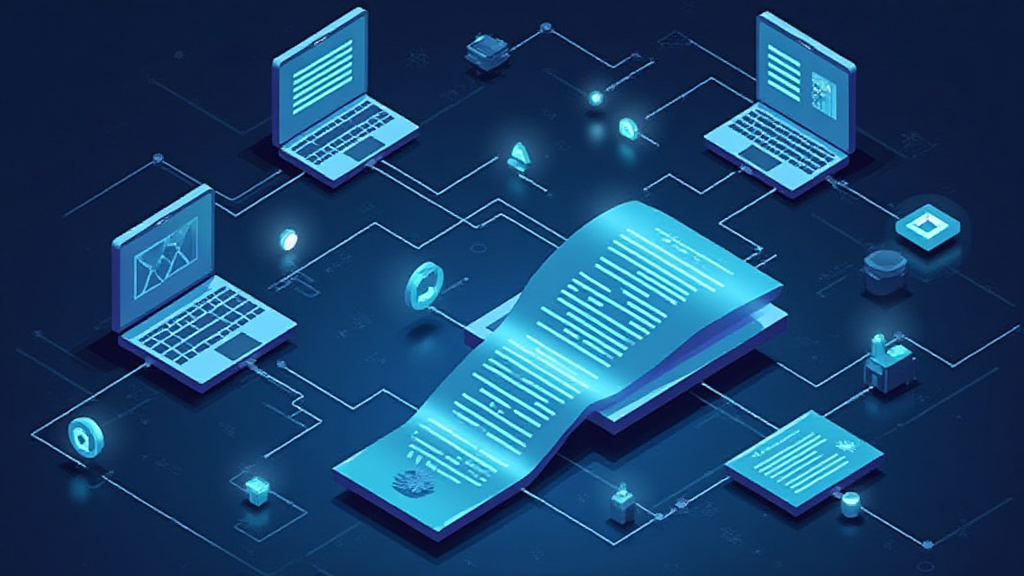
Here’s an analogy: Think of an oracle like a trusted courier service delivering vital information, ensuring that data integrity is upheld from sender to receiver. A compromised courier can lead to disastrous outcomes similar to how faulty oracles can affect smart contracts.
Case Studies: Oracles in Action
Let’s examine real-world applications of oracles:
- Chainlink: One of the most renowned decentralized oracle networks, Chainlink allows smart contracts to aggregate data feeds. Its innovative architecture empowers projects across various sectors, including DeFi and insurance.
- Band Protocol: This protocol serves as a cross-chain data oracle platform, allowing smart contracts on one blockchain to accurately access data from another chain or external APIs.
- API3: Focused on providing decentralized APIs, API3 allows developers to directly connect smart contracts to real-world data sources without intermediaries.
The Future of Oracles and Blockchain Technology
The increasing reliance on data-driven decision-making means the role of oracles will only grow. As various industries continue to adopt blockchain technology, oracles will serve as the critical infrastructure enabling this transition. With the Vietnamese crypto sector experiencing a growth rate of over 40% year-on-year, the demand for reliable blockchain solutions like oracles is surging.
This rapid expansion could position Vietnam as a key player in the global DeFi landscape in the next few years, leading to innovations that capitalize on the efficiency and transparency that blockchain technology offers.
How to Use Oracles Effectively in Smart Contracts
To maximize the potential of oracles, it’s vital to consider the following strategies:
- **Select Trusted Oracle Providers:** Always utilize oracles with established reputations and proven reliability.
- **Implement Multi-Source Data Aggregation:** Using multiple oracles to validate incoming data can significantly reduce risks of manipulation.
- **Regular Audits:** Just as you would audit any smart contract, ensure that oracle operations and data integrity are frequently reviewed.
This strategic approach is akin to how fortune-tellers diversify their insights, allowing for higher reliability in predictions.
Ensuring Regulatory Compliance in Blockchain Development
With the rapid evolution of the blockchain landscape, compliance considerations are crucial. In Vietnam, the government is ramping up efforts to create a regulatory framework for cryptocurrencies and blockchain innovations. Companies looking to deploy oracles must remain informed about local laws, as regulations will shape the future capabilities of these technologies.
This financial advisory isn’t a one-size-fits-all; it’s imperative to consult local regulators for compliance with blockchain standards such as *tiêu chuẩn an ninh blockchain* (blockchain security standards) which continue to evolve.
Conclusion: Embracing the Future with Oracles
As we anticipate the future of blockchain technology, the integral role of oracles in blockchain cannot be overstated. They not only enhance the functionality of smart contracts but also lay the groundwork for a more connected and data-driven decentralized ecosystem. The pathways they open can lead to smarter, safer, and innovative solutions in various industries.
In closing, embracing oracles will be pivotal for developers and organizations aiming to stay competitive in the evolving crypto landscape. Remember to check out arcoInnovation to explore further on how you can leverage this technology to secure your future in the blockchain world.
[Virtual Expert Name] has published over 30 papers on blockchain technology and has led the audit of several high-profile projects, ensuring their alignment with industry best practices.