



Tokenomics Design Guide: Structuring Your Cryptocurrency Success
As the cryptocurrency landscape evolves, understanding the fundamentals of tokenomics becomes crucial for any crypto project aiming for long-term success. With approximately $4.1 billion lost to DeFi hacks in 2024, ensuring a robust tokenomics design is your first line of defense against financial pitfalls. This guide will explore the essential elements of tokenomics, illustrating how a well-structured token economy can foster growth, stability, and user engagement, especially in emerging markets like Vietnam.
Understanding Tokenomics
Tokenomics, a portmanteau of token and economics, refers to the economic model behind a cryptocurrency or token. It encompasses various aspects, including supply, distribution, and utility, which together influence a token’s value and viability in the market. Think of tokenomics as the DNA of your digital asset. Without a solid DNA structure, your cryptocurrency may struggle to thrive.
The Importance of Tokenomics
- Value Generation: Proper tokenomics ensures that your cryptocurrency contributes to value generation in the ecosystem.
- User Engagement: A well-designed token can drive user activity and retention.
- Market Adaptability: Different economic conditions require different tokenomic strategies.
Crafting a Successful Tokenomics Strategy
Creating an effective tokenomics strategy requires a deep understanding of various components. Let’s break it down:
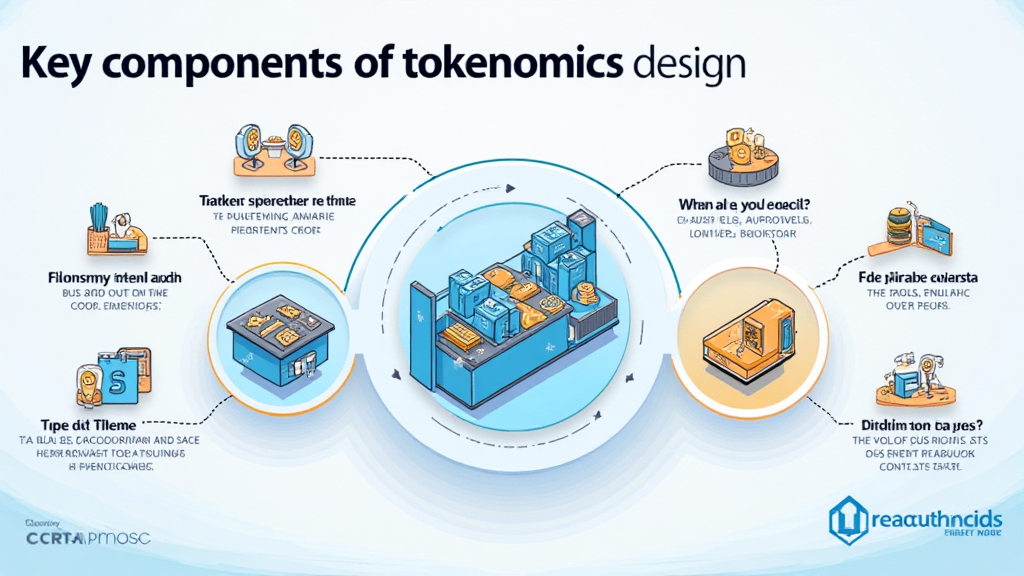
1. Supply Mechanics
Supply mechanics dictate how tokens are created and distributed. Key considerations include:
- Total Supply: Define how many tokens will ever exist. This could be capped or inflationary.
- Circulating Supply: Determine how many tokens are currently in circulation and how that impacts scarcity and market forces.
- Emission Rate: Plan how quickly new tokens are minted, impacting the overall value.
For instance, Bitcoin restricts its total supply to 21 million coins, fostering a deflationary model, while others may adopt a more flexible approach.
2. Distribution Methods
How you distribute tokens significantly influences their adoption:
- Initial Coin Offering (ICO): Raise funds while distributing tokens to early investors.
- Airdrops: Reward existing users or foster outreach by distributing free tokens.
- Staking Rewards: Encourage users to hold tokens by offering rewards for participation in network security.
For example, many projects in Vietnam have successfully utilized airdrops to create initial buzz and increase user acquisition rates.
3. Utility of Tokens
Your token needs a purpose beyond speculation:
- Access to Services: Tokens can grant users access to specific features or services within your platform.
- Governance Rights: Allow token holders to vote on project decisions.
- Incentives: Design your token to incentivize behavior beneficial for network growth.
This mimics traditional economic systems where currency has intrinsic value and utility.
Vietnamese Market Insights
As of 2024, Vietnam has seen remarkable growth in cryptocurrency adoption:
- User Growth Rate: Vietnam’s crypto user base has grown by 56% year-on-year.
- Market Engagement: Increased participation in DeFi platforms has driven local innovation in token designs.
With such rapid growth, understanding tokenomics tailored to the Vietnamese demographic can prove advantageous for new entrants in the market.
Potential Pitfalls in Tokenomics
Designing tokenomics is fraught with challenges. Here are some avoidable mistakes:
- Overcomplicated Structures: Avoid convoluted token distributions that confuse users.
- Neglecting Regulatory Compliance: Keep abreast of local regulations (as in the case of tiêu chuẩn an ninh blockchain in Vietnam).
Ensure your tokenomics design is transparent and adheres to local legal standards to maintain trust among users.
Auditing Tokenomics: A Necessary Step
Auditing your tokenomics is essential to ensure that everything functions as intended:
- Identify Weaknesses: Recognize and address vulnerabilities early in development.
- Enhance Security: Regular audits minimize the risk of hacks and double-spending.
- Boost Credibility: Transparent auditing enhances user trust and investor confidence.
Both internal and third-party audits can significantly improve your project’s standing, emphasizing the maturity of the tokenomics model.
Final Thoughts on Tokenomics Design
In conclusion, creating a compelling tokenomics design is crucial for the success of any cryptocurrency project. This involves understanding the fundamental economics behind your token, ensuring that users see value, and preparing for the future through constant evaluation and adaptation of your strategies.
Remember, the evolution of tokenomics is ongoing, and keeping abreast of market trends and user preferences, especially in developing markets like Vietnam, can set your project apart from the competition. Always prioritize value creation, compliance, and user engagement in your design.
For those diving deeper into tokenomics, consider leveraging various tools and resources to elevate your project’s potential. And don’t forget, engaging with specialist platforms like hibt.com can provide additional insights and best practices.
It’s about building a resilient, adaptive token economy that fosters growth and meets the needs of its users. So, take the time to ensure your tokenomics model is optimized for success in this ever-evolving digital landscape!
Author: James Thorne, Blockchain Economist and Tokenomics Expert, has published over 15 papers on cryptocurrency economics and has led audit projects for top-tier blockchain projects.