



Tokenomics Explained: Your Guide to Cryptocurrency Fundamentals
In the ever-evolving world of cryptocurrency, the concept of tokenomics has emerged as a pivotal factor influencing investment decisions, governance, and the overall success of digital assets. With billions of dollars flowing into the crypto market annually, understanding tokenomics is essential for investors and enthusiasts alike. But what exactly is tokenomics?
Tokenomics, a blend of ‘token’ and ‘economics,’ refers to the study of the economic models behind cryptocurrencies and tokens. It encompasses how tokens are created, distributed, and utilized within their ecosystems, ultimately affecting their value and sustainability. In this article, we will explore the intricacies of tokenomics, its importance in the crypto space, and how it can guide your investment strategies.
The Importance of Tokenomics in Cryptocurrencies
Tokenomics plays a crucial role in defining the success of a cryptocurrency project. Without a solid economic foundation, a token may struggle to maintain its value, leading to poor investment returns. Here’s a brief overview of several elements that comprise tokenomics:
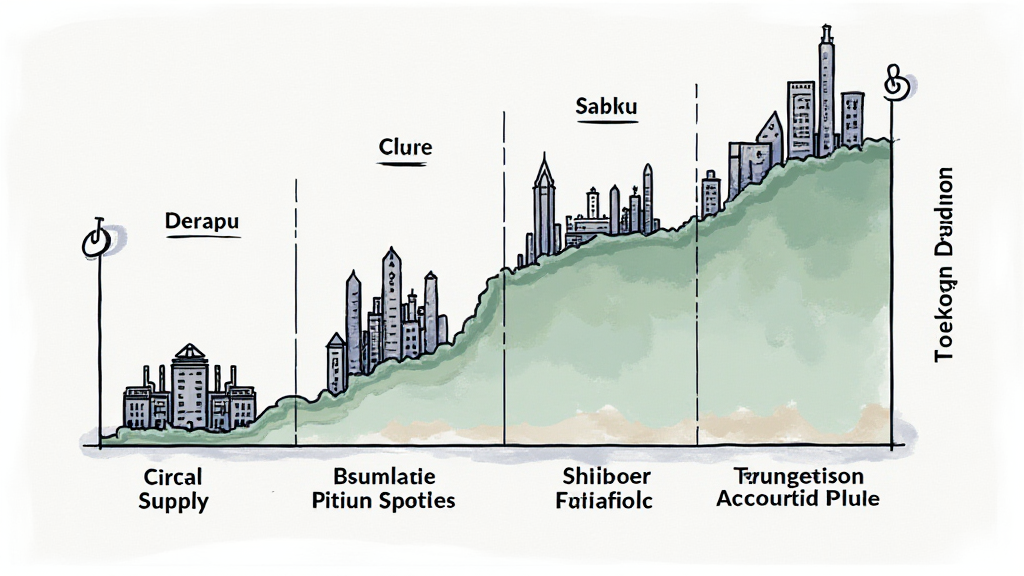
- Supply and Demand: The total supply of tokens in circulation can significantly impact their value. Projects with limited supplies often create scarcity, which can drive prices higher.
- Token Utility: Tokens with clear use cases, such as access to services or voting rights within a network, are more likely to gain traction.
- Distribution Model: How tokens are distributed to early investors, team members, and the public can influence market dynamics.
- Incentives: Incentive structures, such as staking rewards or governance privileges, encourage user participation and community growth.
For instance, let’s break down the example of Ethereum, one of the leading platforms in the crypto world. Ethereum’s token, Ether (ETH), is utilized for transaction fees and computational services on the Ethereum blockchain. This utility drives demand as developers create applications on the platform, showcasing how effective tokenomics can impact a project’s success.
Key Components of Tokenomics
When evaluating a cryptocurrency project, several key components of tokenomics should be carefully analyzed:
1. Token Supply
The total supply of a cryptocurrency is a fundamental factor impacting its price. There are generally three types of token supply models: fixed supply, inflationary, and deflationary. Understanding the token supply model helps investors gauge how the supply dynamics may affect long-term value.
2. Token Utility
As mentioned earlier, utility plays a vital role in determining a token’s value. Investors should look for tokens that solve real-world problems or provide tangible benefits, ensuring ongoing demand and usage. For instance, platforms like Binance Coin (BNB) offer various utilities, such as discounted trading fees, which enhance their appeal to users.
3. Governance Structure
Decentralized governance mechanisms allow token holders to propose and vote on changes within the network. Governance tokens empower users to take an active role in the project’s development, which can enhance community engagement and project longevity.
Case Study: Understanding Binance Coin
Let’s take a closer look at Binance Coin (BNB) to illustrate effective tokenomics in action. Initially launched as a utility token for the Binance exchange, BNB allows users to access a range of benefits.
- Utility: BNB holders enjoy discounted trading fees and can use BNB for various services on the Binance ecosystem.
- Burn Mechanism: Binance conducts regular token burns, reducing the overall supply of BNB. This deflationary measure can lead to price appreciation.
- Expanding Use Cases: BNB is increasingly being adopted for payment in various sectors, including travel and real estate.
According to hibt.com, these factors have led to a surge in BNB’s value, exemplifying how thoughtful tokenomics can drive success.
Tokenomics and the Vietnamese Cryptocurrency Market
With a significant rise in the number of cryptocurrency users in Vietnam, understanding tokenomics within this market is essential. As reported, Vietnam’s user growth rate is approximately 25%, driven by increasing digital asset adoption. Local projects focusing on practical use cases and robust tokenomics are particularly well-positioned to succeed.
1. Popular Vietnamese Projects
- Axie Infinity: This blockchain-based game has created a new economic model within the gaming ecosystem, allowing players to earn from playing.
- Coin98: Providing a multi-chain DeFi platform, Coin98 has emerged as a valuable player in Vietnam’s crypto landscape, emphasizing its token utility.
With rising user engagement, understanding tokenomics is increasingly vital for both investors and projects in Vietnam. Incorporating sound tokenomics principles is critical for garnering trust and promoting long-term sustainability.
2. Investment Considerations
When investing in cryptocurrencies within the Vietnamese market, consider the following:
- Research the Tokenomics: Analyze each project’s economic model, including supply, utility, and governance.
- Diversification: Explore various projects to mitigate risks, focusing on those with strong fundamentals and innovative solutions.
- Stay Updated: Follow market trends and adapt to changing dynamics for informed investment decisions.
In the words of a recent crypto analyst, “Understanding tokenomics is no longer an option; it’s a necessity.” With a solid grasp of tokenomics, investors can make informed decisions and potentially capitalize on the exciting opportunities within the Vietnamese crypto market.
Future Trends in Tokenomics
As the cryptocurrency industry evolves, several trends are shaping the future of tokenomics:
- Increased Regulation: With growing scrutiny from regulators, projects focusing on compliance will likely gain investor confidence.
- Environmental Sustainability: Eco-friendly tokens that promote sustainability will attract socially conscious investors.
- Interoperability: Cross-chain solutions will drive token utility across various platforms, increasing adoption and use cases.
Staying ahead of these trends will not only provide insight into potential investment opportunities but also ensure that projects remain resilient amidst a rapidly changing landscape.
Conclusion: Embracing the Significance of Tokenomics
Understanding tokenomics is essential for navigating the complex world of cryptocurrencies. By grasping key components such as supply, utility, and governance, investors can make informed decisions that align with their goals. As the industry continues to evolve, those who prioritize sound tokenomics will be best positioned for success.
Remember, while tokenomics lays the groundwork for a project’s potential, thorough research and vigilance are vital. Let’s break it down:
- Examine supply models
- Evaluate token utility
- Understand governance structures
With a sharp focus on these aspects, investors can thrive in the ever-growing world of cryptocurrency. At arcoInnovation, we remain committed to educating our community about the integral principles of tokenomics and its implications for the future of digital assets.
For further insights and updates on tokenomics and cryptocurrency trends, please consider exploring our resources. Not financial advice. Consult with local regulators for your investment decisions.
Expert Opinions by: Dr. Amelia Carter, a leading blockchain consultant with over 30 published papers and experience in auditing several well-known projects in the crypto space.