


Introduction
In an increasingly digital world, we often hear staggering statistics that highlight the challenges of trust and security. For instance, more than $4.1 billion was lost to DeFi hacks in 2024 alone. As we navigate this chaotic landscape, finding reliable methods of verification becomes paramount for individuals and businesses alike. One such method that has gained significant traction is blockchain notarization.
This article aims to explore the intricate workings of blockchain notarization, why it’s essential for securing digital assets, and how it fits into the broader cryptocurrency ecosystem like arcoInnovation. We’ll delve into its unique characteristics, compare it to traditional notarization, and highlight its application in the burgeoning Vietnamese market.
Understanding Blockchain Notarization
To grasp the full scope of blockchain notarization, one must start with the basic principles of blockchain technology. At its core, the blockchain is a decentralized ledger that records transactions across multiple computers. This means that no single entity controls the data, which presents an inherent advantage in terms of security and trust.
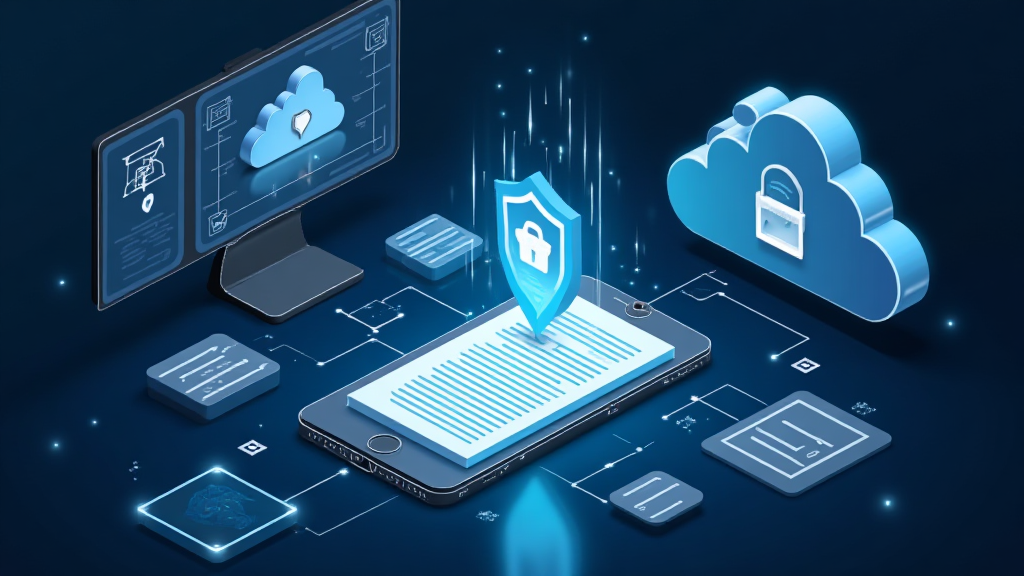
Blockchain notarization utilizes this decentralized nature to provide verification of documents and transactions. When a document is notarized using blockchain technology, a unique hash (like a digital fingerprint) is created and stored on the blockchain. This record is tamper-proof and can be accessed by anyone with the correct information. Here’s why this method stands out:
- Immutability: Once a record is added to the blockchain, it cannot be altered or deleted, ensuring the integrity of documents.
- Transparency: All stakeholders can view the history of changes made to a document, enhancing accountability.
- Speed: Traditional notarization processes can be time-consuming; blockchain notarization can often be completed in seconds.
The Key Benefits of Blockchain Notarization
Both individuals and organizations can greatly benefit from incorporating blockchain notarization into their operations. Let’s break it down:
1. Enhanced Security
With the rise in identity theft and document fraud, organizations must adopt robust security measures. Blockchain notarization offers enhanced security through cryptographic techniques that protect sensitive information. Each transaction recorded is linked to the previous one, making it almost impossible for malicious parties to forge documents or alter records.
2. Trust and Accountability
In business, trust is everything. When using blockchain notarization, parties involved can rest assured that their transactions are verifiable and secure. It’s like having a bank vault for digital assets, where only authorized individuals can make transactions.
3. Cost Efficiency
Over time, companies can save on costs related to document verification and storage. With reduced dependency on traditional notaries and administrative processes, the overall cost of operations can significantly decrease.
Case Studies in Vietnam
Vietnam is witnessing a rapid growth in its cryptocurrency market. With a reported user growth rate of 151% in recent years, the demand for secure and efficient notarization processes is higher than ever. Let’s examine how blockchain notarization is making waves in the Vietnamese crypto-scene:
Example 1: Real Estate Transactions
In Vietnam, the real estate sector is ripe for disruption. Many buyers and sellers face significant hurdles due to potential document fraud. By implementing blockchain notarization, real estate firms can verify property ownership securely and efficiently.
Example 2: Business Contracts
Business dealings often require stringent documentation. Blockchain notarization allows companies to authenticate contracts in real-time, reducing the time spent on bureaucratic red tape. Companies like LocalCoins are leading the charge, ensuring contract authenticity through this technology.
Future Trends: 2025 and Beyond
As we look ahead to 2025, several trends will shape the future of blockchain notarization:
- Regulatory Framework: As governments become more aware of blockchain’s potential, regulations will likely evolve to create a more structured environment.
- Integration with AI: Combining blockchain with AI could lead to smarter verification systems that learn and adapt over time.
- Wider Adoption: Industries such as healthcare, finance, and supply chain management will increasingly adopt blockchain notarization.
Implementing Blockchain Notarization
If you’re considering blockchain notarization for your business or personal use, here’s a roadmap:
Step 1: Understanding Your Needs
Assess what documents require notarization. This could include contracts, legal documents, or any essential proofs of identity.
Step 2: Choosing a Blockchain Platform
Research reputable platforms like Ethereum or Hyperledger that offer notarization services.
Step 3: Establish Compliance
Consult with legal experts to ensure that your approach aligns with local regulations and standards. This is crucial for businesses, especially in sectors like finance or healthcare.
Conclusion
As digital transactions become integral to our lives, finding secure and reliable validation methods is essential. Blockchain notarization not only offers a solution but reshapes the way we perceive trust in the digital realm. With its potential to revolutionize many industries—from real estate to finance—the journey of integrating blockchain notarization is just beginning.
In the dynamic Vietnamese market, early adopters can position themselves as pioneers, leading the charge in a world where security and transparency are non-negotiable. As you explore this innovative technology, remember that the future lies in forging trust and ensuring accountability through secure pathways. This offers a unique opportunity for individuals, businesses, and governments alike to harness the potential of blockchain innovations.
For more insights and updates, visit arcoInnovation and stay ahead in the rapidly evolving world of digital assets.
Author: Dr. Minh Nguyen, a recognized blockchain researcher with over 15 papers published in the field, specializing in digital asset audits and compliance frameworks.