



Mitigating the Environmental Impact of Crypto: A Path Forward
In recent years, cryptocurrencies like Bitcoin and Ethereum have revolutionized the financial landscape. However, this innovation comes at a significant environmental cost. According to the Cambridge Centre for Alternative Finance, the energy consumption of Bitcoin mining has reached a staggering 120 TWh per year, akin to the energy consumption of countries like the Netherlands. This alarming statistic raises essential questions about the sustainability and environmental impact of cryptocurrency.
As we dive into the complexities of crypto, it’s crucial to explore the variety of factors contributing to its environmental footprint, the alternatives available, and the steps being taken towards more sustainable practices. This article aims to equip readers with valuable insights into the environmental impact of crypto, its implications, and the solutions that could lead to a greener future.
Understanding the Environmental Cost of Cryptocurrency
The crypto industry largely depends on a process called “proof of work,” which validates transactions and maintains the security of the network. However, this process requires extensive computational power and, consequently, a vast amount of energy. This section will analyze:
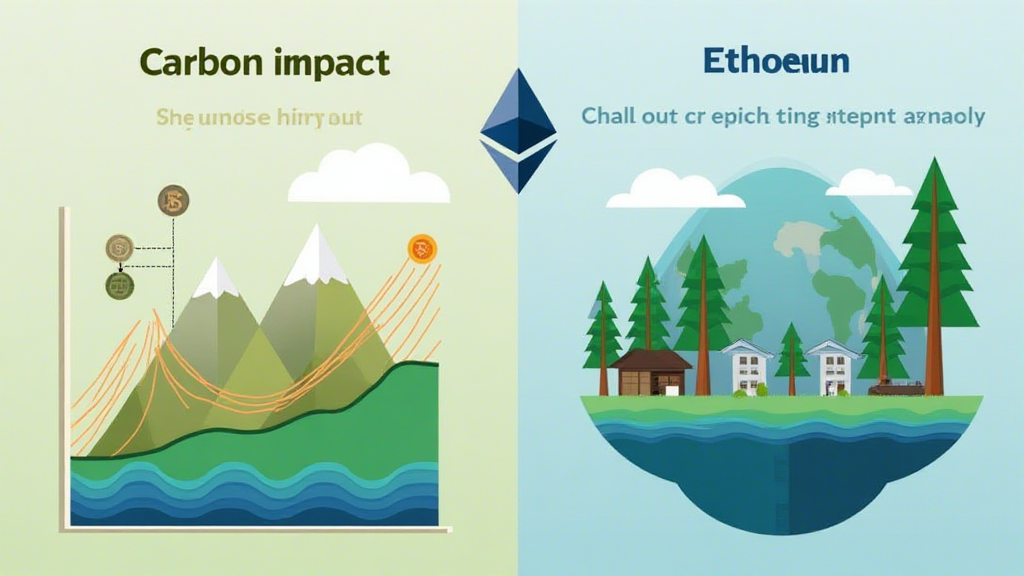
- The mechanics of proof of work
- Energy consumption of various cryptocurrencies
- Environmental sustainability challenges associated with mining
For example, Bitcoin mining utilizes specialized hardware that solves complex mathematical problems to validate transactions and produce new coins. As more miners enter the network, the difficulty of these calculations increases, resulting in higher energy consumption. This creates a feedback loop that exacerbates the environmental impact.
Comparing Energy Usage Across Cryptocurrencies
While Bitcoin is often at the forefront of discussions regarding energy consumption, other cryptocurrencies are not exempt. Both Ethereum and lesser-known altcoins also have substantial energy footprints. Comparatively:
- Bitcoin: ~120 TWh/year
- Ethereum: ~49 TWh/year (pre-merge, currently transitioning to proof of stake)
- Litecoin: ~1.5 TWh/year
These numbers demonstrate the staggering energy consumption presented by the entire crypto ecosystem.
The Transition to Sustainable Cryptocurrencies
To offset the environmental impact, many cryptocurrency projects are exploring alternative consensus mechanisms. “Proof of stake” (PoS) is one of the most prominent methods, drastically reducing energy consumption compared to its predecessor.
- Proof of Stake: PoS validators are chosen based on the number of coins they hold and are willing to “stake”. This method can reduce energy consumption by up to 99%.
- Hybrid Models: Some cryptocurrencies are employing a combination of PoW and PoS to enhance network security while minimizing energy use.
Ethereum, for example, is currently transitioning to PoS. This change could reduce its energy use by more than 99%, marking a significant step towards sustainable blockchain technology.
Incorporating Renewable Energy into Crypto Mining
The shift towards sustainable mining also involves leveraging renewable energy sources. Many miners are now seeking locations where electricity is generated from renewable sources such as:
- Hydropower: Utilized in areas with abundant water resources.
- Solar Energy: Captured through solar panels in sunny climates, reducing reliance on traditional energy sources.
- Wind Energy: Exploited in regions with high wind activity to power mining operations.
By harnessing these renewable energy sources, miners can drastically lessen their carbon footprint. For instance, in Vietnam, the growth of renewable energy is paving the way for a more sustainable crypto mining landscape, with a growth rate of 14.4% in the renewable energy sector observed last year.
Engaging the Community and Policymakers
A proactive approach to mitigating the environmental effects of crypto cannot occur in isolation. Collaborations between industry leaders, policymakers, and community stakeholders are essential. Actions to consider include:
- Advocating for clear regulations on crypto mining emissions.
- Encouraging educational campaigns to raise awareness of sustainable practices.
- Establishing a community-driven initiative focused on carbon offsetting.
In Vietnam, discussions surrounding the environmental impact of crypto have begun to emerge, and local governments are exploring options to support sustainable practices.
Future Prospects: The Green Crypto Revolution
As the cryptocurrency landscape continues to evolve, the focus on reducing the environmental impact is becoming increasingly paramount. With ongoing innovations in blockchain technology, energy-efficient protocols, and a global movement towards sustainability, the future appears promising. Key trends to watch include:
- Increased Adoption of PoS: More cryptocurrencies are likely to adopt proof of stake or similar mechanisms.
- Investments in Renewable Energy: Mining operations are projected to increasingly embrace renewable energy.
- Blockchain Carbon Credits: The introduction of carbon credit systems where crypto projects can offset their emissions.
As the industry becomes more conscientious about its environmental impact, projects such as carbon-neutral Bitcoin could potentially emerge by 2025, making a stronger case for mainstream adoption.
Conclusion
To conclude, understanding the environmental impact of crypto is essential for the future of this budding industry. The concerted efforts of crypto enthusiasts and stakeholders in Vietnam and beyond can lead to more sustainable methodologies and a clearer conscience while advocating for digital currencies. By implementing effective strategies to mitigate these impacts, we can work towards a greener and more responsible future for cryptocurrency.
arcoInnovation is dedicated to fostering advancements in sustainable cryptocurrency practices and helping businesses navigate this complex and evolving landscape.
Author: Dr. Nguyễn Văn An – An environmental scientist with over 15 years of experience in sustainable technology. Dr. An has published more than 30 research papers in the field, focusing on renewable energy integration into emerging technologies.